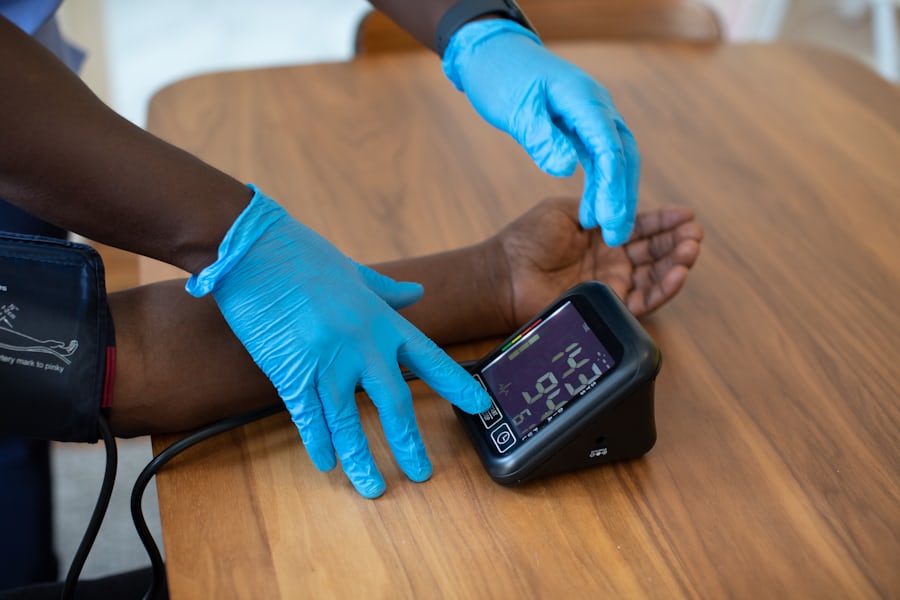
The Digital Revolution in Healthcare
The healthcare industry is undergoing a massive digital transformation that's changing how we deliver, receive, and manage healthcare services. From telemedicine to AI-powered diagnostics, technology is making healthcare more accessible, efficient, and personalized than ever before.
Telemedicine: Breaking Down Barriers
Telemedicine has emerged as a game-changer, especially in the wake of the global pandemic. It allows patients to receive quality healthcare from the comfort of their homes, eliminating geographical barriers and reducing wait times. This is particularly beneficial for patients in rural areas or those with mobility issues.
AI and Machine Learning in Diagnostics
Artificial intelligence is revolutionizing medical diagnostics by analyzing medical images, predicting disease outcomes, and identifying patterns that might be missed by human eyes. This technology is helping doctors make more accurate diagnoses and develop personalized treatment plans.
Electronic Health Records (EHR)
EHR systems are streamlining healthcare delivery by providing healthcare providers with instant access to patient information, reducing medical errors, and improving coordination of care across different healthcare settings.
Wearable Technology and Remote Monitoring
Wearable devices and remote monitoring tools are empowering patients to take control of their health by tracking vital signs, medication adherence, and lifestyle factors. This continuous monitoring helps healthcare providers make data-driven decisions and intervene early when necessary.
The Future of Digital Health
As we look to the future, we can expect even more innovative solutions that will further transform healthcare delivery. The key is ensuring that these technologies are implemented in ways that enhance the human connection between patients and providers, rather than replacing it.